How to prevent business email compromise matters for every organization. This guide outlines clear steps to stop email fraud. It shows technical controls, user practices, and response steps. It focuses on actions that reduce risk quickly. The guide uses plain language and specific measures that teams can apply today.
Key Takeaways
- Business email compromise (BEC) poses a high-risk threat by targeting employees and partners to steal money or data through deceptive emails.
- Recognizing red flags like urgent payment requests, altered invoice details, and unusual email behavior helps reduce BEC risk effectively.
- Implementing layered technical controls such as SPF, DKIM, DMARC, secure email gateways, and multifactor authentication forms a strong defense against BEC attacks.
- Clear policies requiring dual approval and verification for payments and vendor changes minimize BEC opportunities through process controls.
- Regular employee training and phishing simulations increase awareness and improve the organization’s ability to prevent business email compromise in daily operations.
- Maintaining updated incident playbooks and ongoing review of security measures strengthens overall resilience against BEC threats.
What Is Business Email Compromise (BEC) And Why It Matters
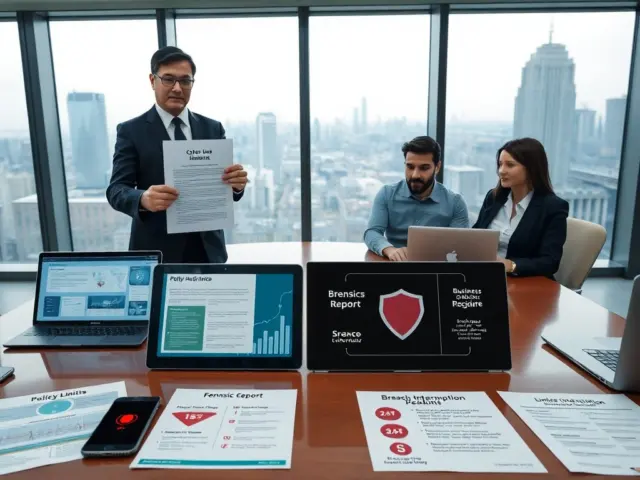
Business email compromise describes attacks that target employees, vendors, or partners by using email to steal money or data. Attackers spoof or hijack accounts to request wire transfers or invoice changes. The damage can include direct financial loss, stolen credentials, and reputational harm. Leaders should treat BEC as a high-probability, high-impact threat. Understanding how to prevent business email compromise helps teams prioritize controls and training.
Common BEC Attack Vectors And Red Flags
Attackers use several common vectors to carry out BEC. They send spoofed emails that mimic executives. They compromise accounts and send legitimate-looking requests. They use invoice fraud and vendor impersonation. Common red flags include urgent payment requests, changed payment details, and emails that skip normal approval steps. Other red flags include unusual grammar, mismatched domains, and requests outside business hours. Teams that learn these signs reduce their risk of BEC.
Technical Controls To Prevent BEC
Organizations should deploy layered technical controls. These controls limit spoofing, detect threats, and block malicious content. IT teams should enforce email authentication, use secure gateways, enable multifactor authentication, and monitor account activity. Regular patching and least-privilege access help reduce account takeover risk. Logging and alerting let teams detect anomalies fast. These technical controls form the first line of defense in how to prevent business email compromise.
Email Authentication: SPF, DKIM, And DMARC Explained
SPF records tell recipients which servers can send mail for a domain. DKIM adds a cryptographic signature to outgoing messages. DMARC tells receivers how to handle messages that fail SPF or DKIM checks. IT should publish SPF, sign mail with DKIM, and enforce DMARC with a quarantine or reject policy. Vendors can help test and roll out these records. These steps reduce spoofing and support efforts to prevent business email compromise.
Secure Email Gateways And Advanced Threat Protection
Secure email gateways scan inbound and outbound mail for threats. They block malware, detect impersonation, and quarantine risky messages. Advanced threat protection uses URL detonation and sandboxing to catch hidden payloads. Email gateways can add banners to external mail and flag risky senders. Teams should tune policies to reduce false positives and review quarantines daily. These tools cut the volume of malicious mail that reaches users and lower BEC risk.
People And Process: Policies, Training, And Incident Playbooks
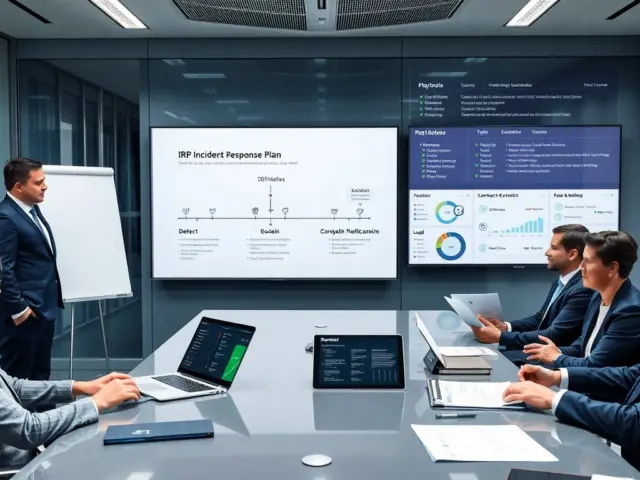
People remain the most targeted asset in BEC attacks. Organizations should set clear policies for payments, wire transfers, and vendor changes. They should require dual approval for high-value requests and validate changes by phone or secure portal. Teams should document incident playbooks that list notification steps, escalation paths, and forensic needs. Regular review of policies and playbooks keeps processes current and strengthens defenses against BEC.
Employee Training And Phishing Simulations
Training should teach employees how to spot BEC signals and how to verify requests. Simulations should test people with realistic phishing and impersonation scenarios. Training must include CFO fraud, vendor invoice fraud, and account takeover examples. Organizations should measure results and coach employees who click simulated attacks. Regular drills increase awareness and reduce successful BEC attempts. Clear feedback loops help staff learn how to prevent business email compromise in daily work.