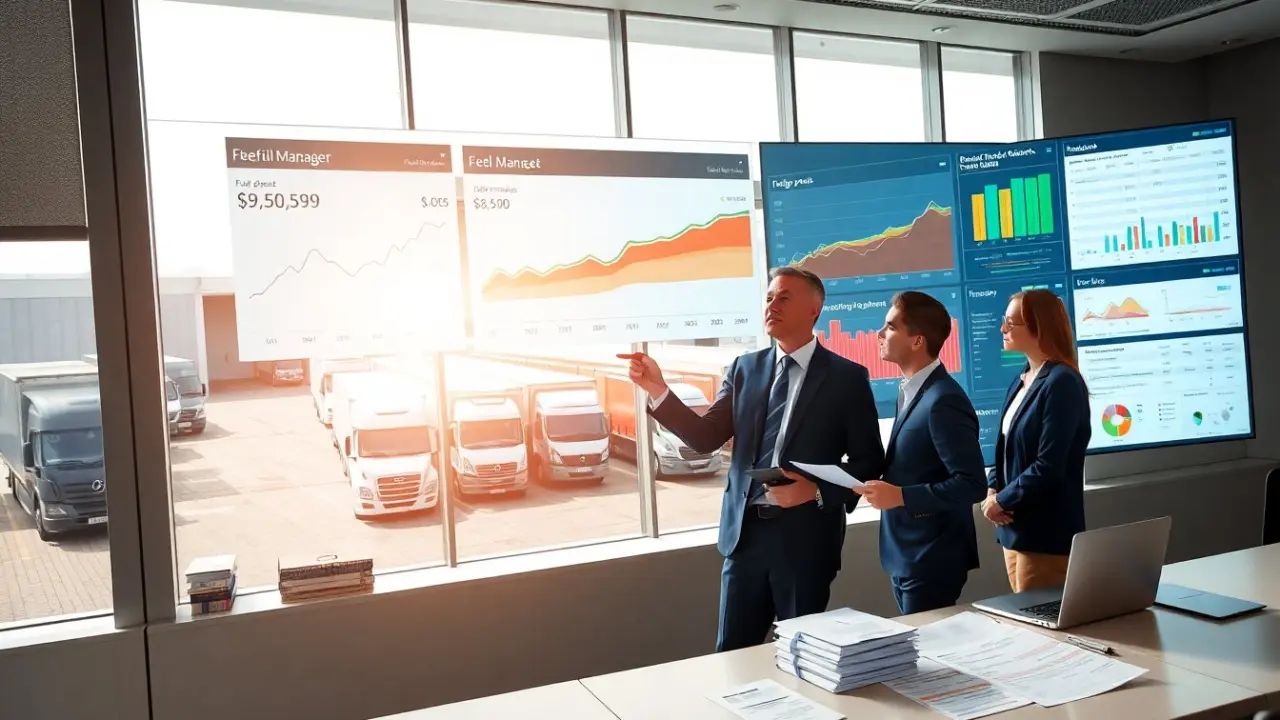
Fleet fuel management must start with clear goals. Fleet managers need lower fuel spend, fewer emissions, and higher uptime. This guide explains practical steps for fleet fuel management. It gives tools, strategies, and metrics that teams can apply in 2026. The language stays simple and direct so teams can act fast. Below are pragmatic approaches you can adopt regardless of fleet size, with attention to rollout sequencing, common pitfalls, and how to keep stakeholders aligned.
Key Takeaways
- Effective fleet fuel management is essential for reducing fuel spend, lowering emissions, and improving vehicle uptime in 2026.
- Using fleet fuel management tools like fuel cards, telematics, and real-time monitoring helps detect fraud, track fuel use, and optimize driver behavior.
- Implementing clear driver standards, approved fuel sites, and efficient routing are practical strategies to cut fuel consumption and boost schedule reliability.
- Regularly measuring metrics such as fuel per mile, idling time, and fuel spend by vehicle demonstrates the ROI of fleet fuel management programs.
- A strong fleet fuel policy with defined rules, assigned responsibilities, and routine audits ensures consistent fuel management improvement and compliance.
Why Fleet Fuel Management Matters Now
Fuel costs hit budgets and margins. Fleet fuel management reduces fuel spend and stabilizes operating costs. It lowers idling, cuts waste, and extends vehicle life. It also reduces emissions and helps companies meet regulations. Investors and customers now expect action on emissions. Managers who adopt fleet fuel management gain competitive pricing and resilience. They improve driver safety and reduce repair frequency. They also get clearer data for planning and budgeting.
Beyond cost control, fleet fuel management supports operational resilience: consistent monitoring reduces unexpected downtime, and visibility into fuel patterns helps forecast needs and negotiate better procurement terms. It also underpins sustainability goals by quantifying emissions reductions and identifying high-impact interventions. For organizations launching change, start with a baseline assessment, prioritize quick wins (for example, correcting tire pressure and enforcing idle limits), and then scale to technology integrations and policy changes.
Core Tools And Technologies For Modern Fuel Management
Modern fleets rely on a blend of tools. Fleet fuel management needs fuel cards, telematics, and software that aggregates data. Managers use platforms to compare fuel use by vehicle, route, and driver. They set alerts for fuel spikes and maintenance needs. They link fuel transactions to odometer and route logs. They run weekly reports to find trends. They use the data to reward efficient drivers and to replace high-consumption vehicles.
When selecting tools, consider integration and ease of use: fuel cards should export transaction-level data, telematics should provide granular idling and speed profiles, and analytics software should combine those streams into actionable dashboards. Prioritize tools that support role-based access so finance, operations, and safety teams each get tailored views. Pilot technology with a representative subset of vehicles before a full rollout to validate data flows and refine alert thresholds.
Fuel Cards, Telematics, And Real-Time Monitoring
Fuel cards record purchases and reduce fraud. Telematics track speed, idle time, and fuel rate. Real-time monitoring flags waste as it happens. Fleet fuel management integrates these feeds in one dashboard. Managers view fuel per mile and fuel per hour by vehicle. They spot unauthorized fueling and inefficient patterns. They set geo-fences to ensure drivers refuel at approved stations. They run exceptions reports to act quickly and cut costs.
Best practices for these components include: standardizing card controls (merchant type, purchase limits), reconciling card transactions against route and odometer data daily or weekly, and configuring telematics alerts for extended idling, harsh acceleration, and excessive speed. Real-time monitoring is particularly valuable for preventing abuse and responding to sudden inefficiencies, but it requires clear escalation procedures so frontline staff know how to act on alerts without creating noise.
Practical Strategies To Reduce Fleet Fuel Consumption
Fleets cut fuel use through clear, repeatable steps. Fleet fuel management starts with driver standards and measurable targets. Managers set speed limits, idle rules, and approved fuel sites. They use data to select low-consumption routes. They schedule loads to reduce empty miles. They replace worn components and use correct tire pressure. They phase in fuel-efficient vehicles at end of life. Each step reduces fuel use and improves schedule reliability.
Include behavior-focused tactics alongside technical changes: provide regular, concise driver coaching based on telematics data; introduce small, targeted incentives for consistent compliance with fuel-saving practices; and run seasonal maintenance campaigns (for example, HVAC checks before summer) that preserve efficiency. Also map routing and load planning to minimize empty runs and cluster stops. Document the changes, assign owners for each initiative, and set short review cycles to measure effectiveness and iterate.
Measuring ROI And KPIs For Fuel Programs
Clear metrics show program value. Fleet fuel management tracks fuel per mile, fuel per hour, idling minutes, and fuel spend by vehicle. Managers calculate savings versus program cost. They monitor fuel card exceptions and maintenance cost reductions. They set quarterly targets and review them in meetings. They use simple charts to show trends and to make budget decisions. They quantify emissions reduction and include that in stakeholder reports.
To measure ROI, combine direct savings (reduced gallons purchased, lower maintenance spend) with indirect benefits (fewer breakdowns, better on-time performance). Build a simple dashboard that highlights a small set of KPIs for daily use and a broader set for monthly reviews. Example KPI bundles: operational (fuel per mile, empty miles), financial (fuel spend per period, exceptions rate), and environmental (estimated CO2 per mile). Establish baseline periods, document methodology for each KPI, and avoid changing calculations midstream without clear communication to stakeholders.
Implementing A Fleet Fuel Policy That Works
A policy sets rules and assigns responsibility. Fleet fuel management policy defines allowed fuel stations, card use, and reporting cadence. It assigns a program owner and a data reviewer. It sets driver expectations and consequences for violations. It requires regular audits of fuel cards and telematics data. It schedules quarterly policy reviews and updates. The policy links to training, incentives, and procurement to ensure steady improvement.
When rolling out a policy, involve stakeholders early—operations, finance, procurement, safety, and drivers—to surface practical constraints and gain buy-in. Create an implementation checklist that covers communication materials, training sessions, role assignments, and audit processes. Use a phased approach: pilot the policy with a subset of routes or regions, collect feedback, and then expand. Finally, pair the policy with ongoing training and recognition programs so compliance becomes a routine part of daily operations rather than a one-time initiative.