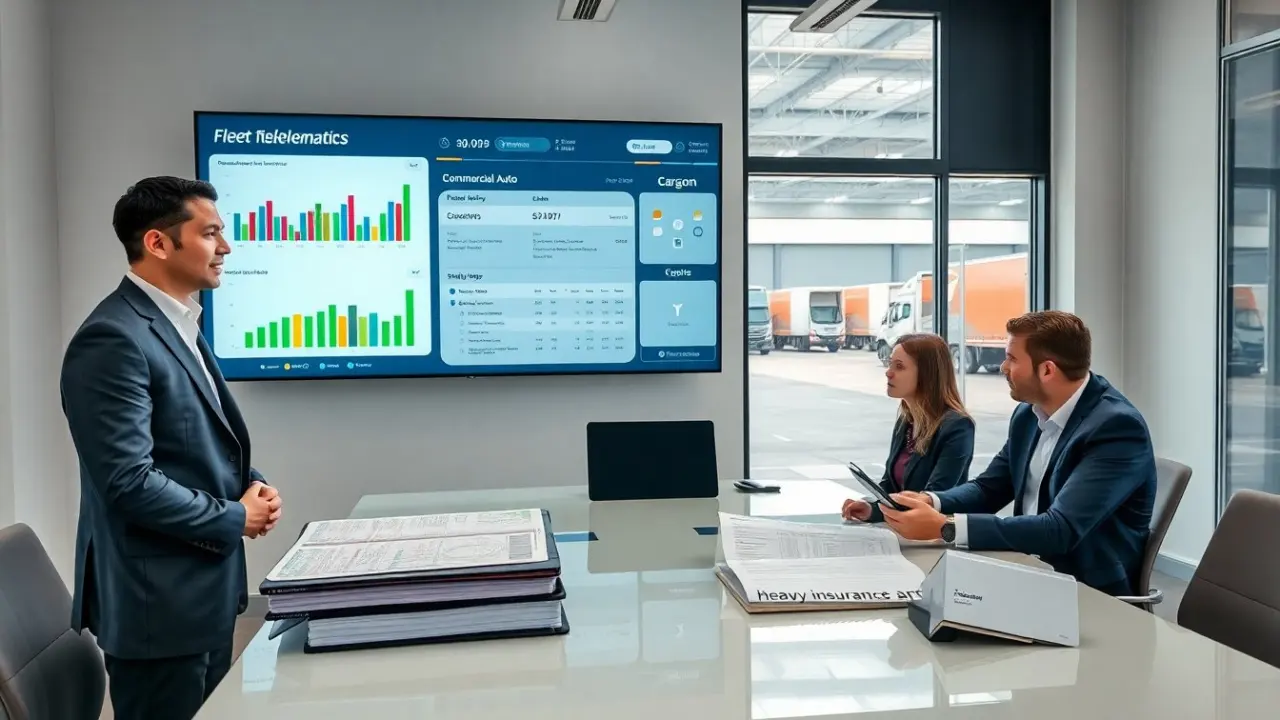
Fleet risk management insurance helps fleets reduce loss, cover claims, and control cost. It protects vehicles, drivers, and company finances. Fleet managers must evaluate policies, data, and practices. This article explains what fleet risk management insurance covers, how to assess fleet risk, available insurance options, and practical ways to lower premiums and liability.
Key Takeaways
- Fleet risk management insurance protects vehicle fleets from physical damage, liability, medical payments, and income loss, significantly safeguarding company finances.
- Assess fleet risk effectively by analyzing claims frequency and severity alongside telematics, maintenance records, and driver histories to identify and address hazards.
- Choose insurance options like primary liability, physical damage, uninsured motorist, and cargo coverage based on fleet size, vehicle types, and operational risks to optimize protection and costs.
- Implement driver training, telematics monitoring, and preventive maintenance to reduce premiums and liability by minimizing accidents and mechanical failures.
- Collaborate with insurers through loss-control programs and regular policy audits to ensure coverage fits evolving risks and to discover cost-saving opportunities.
- Use route planning, strict hiring standards, and safety equipment installation to further mitigate risks and demonstrate commitment to fleet safety, which can positively influence insurance terms.
What Fleet Risk Management Insurance Really Covers And Why It Matters
Fleet risk management insurance covers physical damage, liability, medical payments, and loss of income for vehicle fleets. It also covers hired and non-owned vehicles when drivers use third-party cars. This insurance covers legal defense and settlements after crashes. It covers theft, vandalism, and fire when the policy includes comprehensive coverage. Regulators often require certain liability minimums for commercial fleets. The policy limits determine how much the insurer pays after a loss.
Managers must know policy exclusions. Some policies exclude drivers under certain conditions or specific vehicle types. Insurers often exclude drivers with suspended licenses or those using vehicles for unauthorized work. Insurers may also exclude losses tied to uninsured cargo or illegal activity. Knowing exclusions helps a manager avoid surprise denials.
Fleet risk management insurance matters because a single major claim can hurt cash flow. High claims raise future premiums and affect a fleet’s ability to bid on contracts. Good insurance protects the balance sheet and preserves operational continuity. It also supports driver retention by showing the company invests in safety and care.
Assessing Your Fleet Risk: Metrics, Data Sources, And Common Hazards
A fleet manager should measure frequency and severity of claims. Frequency counts how often incidents occur. Severity measures average cost per incident. Together frequency and severity show where to focus risk-control work.
Managers should gather telematics, maintenance records, and driver histories. Telematics gives data on speeding, harsh braking, and idling. Maintenance records show overdue service or recurring faults. Driver histories show prior crashes and violations. Combining these sources creates a clear risk profile.
Common hazards include driver error, weather, poor maintenance, and unsecured loads. Driver error often causes collisions. Weather increases stopping distance and reduces visibility. Poor maintenance causes brake or tire failures. Unsecured loads shift and cause rollovers or loss of control.
Managers should track near misses as well as claims. Near misses reveal risks before they cause losses. Managers should capture near-miss data from drivers and telematics. That data lets managers act before losses escalate.
Insurance Options, Coverages, And Cost Drivers For Fleets
Fleets can buy primary liability, physical damage, uninsured motorist, and cargo insurance. Primary liability covers third-party injury and property damage. Physical damage covers the fleet’s vehicles for collision and comprehensive events. Uninsured motorist protection covers damage from drivers who lack insurance. Cargo insurance covers goods while in transit.
Insurers price fleet risk management insurance using fleet size, vehicle types, driver records, and claims history. Fleet size affects underwriting complexity. Heavy trucks cost more than vans because they cause larger damages. Drivers with clean records reduce premiums. Frequent claims inflate future premiums.
Other cost drivers include location and usage. Urban routes with stop-and-go traffic raise exposure. Long-haul operations increase mileage and fatigue risk. Nighttime work, hazardous cargo, and subcontracted drivers also raise cost. Insurers may require higher limits or endorsements for these risks.
Fleets can use captive programs, pooled self-insurance, or conventional commercial policies. Captives let companies retain risk and control claims handling. Pooled self-insurance spreads risk among similar operators. Conventional policies shift most risk to insurers. Each approach changes cash flow, reserve needs, and administrative burden.
Reducing Premiums And Liability: Practical Risk-Control Strategies For Fleets
A fleet should train drivers on safe driving and company rules. Training reduces driver error and improves compliance. Managers should use telematics to monitor behavior and coach drivers. Telematics reveals speeding, aggressive driving, and harsh braking.
Managers should enforce preventive maintenance. Regular service reduces mechanical failures and roadside breakdowns. A maintenance schedule should include brakes, tires, lights, and steering systems. Managers should document completed maintenance to support claims and lower underwriting risk.
A fleet should require clear driver hiring standards and checks. Managers should run motor vehicle records and reference checks. Managers should set probationary driving periods and monitor new drivers closely.
Managers should use route planning and scheduling to reduce fatigue. Shorter shifts and realistic schedules lower fatigue and improve attention. Managers should avoid excessive overtime and monitor hours.
Managers should install safety equipment such as cameras, automatic emergency braking, and stability control. Safety equipment reduces crash severity and improves claims outcomes. Insurers may offer discounts for documented equipment and programs.
Managers should work with insurers on loss-control programs and regular reviews. Joint reviews help align coverage with actual exposure. Managers should share telematics and maintenance data with insurers to seek better terms.
Finally, managers should audit policies annually. Annual audits catch coverage gaps, duplicate coverages, and outdated limits. Audits let managers adjust limits, add endorsements, or shift to alternative programs to control cost.