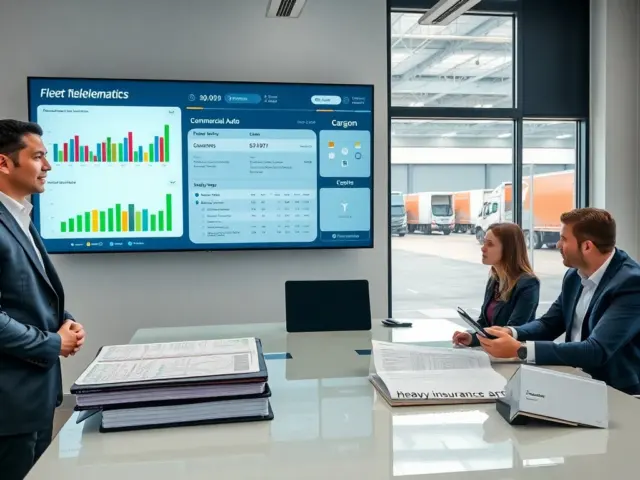
What is fleet tracking and why does it matter in 2026? Fleet managers use fleet tracking to monitor vehicles, drivers, and assets in real time. The system collects location, speed, and engine data. It sends that data to a central dashboard. The dashboard shows routes, stops, and alerts. Teams use the data to save time and cut fuel costs.
Key Takeaways
- Fleet tracking uses GPS and telematics to provide real-time data on vehicle location, speed, and engine diagnostics through a centralized dashboard.
- Implementing fleet tracking helps reduce fuel costs and idle time by optimizing routes and monitoring driver behavior, improving overall efficiency.
- Fleet tracking enhances compliance by automatically recording hours of service and maintaining driver logs, which simplifies regulatory reporting and reduces fines.
- Safety is improved with alerts on speeding and harsh driving, enabling managers to coach drivers and reduce accident risks.
- Fleet tracking systems integrate with maintenance and accounting software, allowing proactive vehicle servicing and reducing breakdown expenses.
- Choosing the right fleet tracking solution involves evaluating features, costs, integrations, and running pilot tests to ensure reliability and maximize return on investment.
How Fleet Tracking Works: GPS, Telematics, And Data Flow Explained
Fleet tracking relies on GPS devices and telematics units. A device records a vehicle’s location, speed, and heading. The device also captures engine diagnostics and fuel readings when telematics connects to the vehicle bus. The device transmits data over cellular or satellite networks. A server receives the data and stores it in a database. A dashboard queries the database and displays maps, lists, and alerts.
A fleet manager views live location on the dashboard. The dashboard updates every few seconds or minutes depending on the plan. The system flags hard braking, idling, and excessive speed. The system timestamps each event and links it to a driver ID. The linked data helps managers verify deliveries, enforce policies, and schedule maintenance.
Integrations make fleet tracking more useful. The tracking platform can send location data to routing software. The tracking platform can push engine alerts to a maintenance system. The tracking platform can export reports to accounting and payroll tools. This data flow reduces manual entry and errors.
Data security matters. Providers encrypt data in transit and at rest. Providers also use role-based access so only authorized personnel see sensitive data. A company should check a provider’s compliance with industry standards and encryption practices.
Fleet tracking has hardware and software costs. A company can choose plug-and-play devices or hardwired units. A company can choose monthly subscriptions that include maps, alerts, and storage. A company can choose service levels for update frequency and support.
Key Benefits For Fleets: Efficiency, Compliance, Safety, And Cost Reduction
Fleet tracking reduces fuel use and idle time. Managers review route data and reroute vehicles for shorter mileage. Drivers follow optimized routes that lower fuel spend. Fleet tracking also reduces overtime by showing accurate arrival and departure times.
Fleet tracking helps with compliance. The system records hours of service where required. The system stores driver logs and vehicle inspections. Inspectors can retrieve records quickly. Companies prove compliance faster and face fewer fines.
Fleet tracking improves safety. The system alerts managers to speeding and harsh driving. Managers coach drivers using recorded events and video where available. Managers assign training when patterns show risk.
Fleet tracking lowers maintenance costs. The system monitors engine faults and schedules service based on actual use. Managers replace parts before failure. The system reduces breakdowns and towing expenses.
Fleet tracking increases customer service. Dispatchers provide accurate ETAs with live location. Customers receive timely updates and proof of delivery. The system reduces phone calls and disputes.
Fleet tracking also supports theft recovery. The system sends geofence alerts if a vehicle leaves an allowed area. The system helps law enforcement locate the vehicle quickly. Fleets recover assets faster and reduce insurance losses.
Managers measure return on investment by comparing cost savings to subscriptions and hardware. Companies often see payback within months for mid-size and larger fleets. The savings come from less fuel, lower maintenance, fewer fines, and better productivity.
Choosing And Implementing A Fleet Tracking Solution: Features, Costs, And Best Practices
A buyer lists core needs before they evaluate vendors. They list fleet size, update frequency, and required integrations. They list regulatory reporting and video or sensor needs. They list budget for hardware and monthly service.
A buyer compares features and maps. Essential features include live tracking, route history, alerts, and driver ID. Advanced features include video telematics, fuel management, and predictive maintenance. A buyer checks APIs for integration with dispatch, ERP, and payroll systems.
A buyer reviews pricing structures. Vendors charge per device plus a monthly fee. Vendors may charge for maps, storage, and API calls. A buyer requests total cost of ownership for three to five years. A buyer compares installation costs for plug-and-play devices versus hardwired units.
A buyer runs a pilot before full rollout. The pilot tests device reliability, update cadence, and alert accuracy. The pilot collects feedback from drivers and dispatchers. The pilot helps refine geofences, alert thresholds, and reporting formats.
A buyer plans rollout in stages. They install devices on high-use vehicles first. They train dispatchers and technicians on the dashboard. They create simple playbooks for common alerts and exceptions.
A buyer enforces policies after rollout. They update driver handbooks to reflect monitoring and safety programs. They use recorded events for fair coaching and to support positive recognition. They schedule periodic reviews of system settings and data retention.
A buyer audits data for accuracy and compliance. They verify that timestamps match local time zones. They check that engine fault codes map to the correct vehicle. They test backups and confirm data retention meets legal needs.
A buyer negotiates support and SLAs. They ask about response times for outages and replacement hardware. They confirm firmware update policies and over-the-air management. They verify that the provider offers training resources and customer success support.
A buyer measures results after six months. They track fuel use, maintenance spend, on-time deliveries, and safety incidents. They compare these metrics to the baseline. They adjust rules and training based on results.