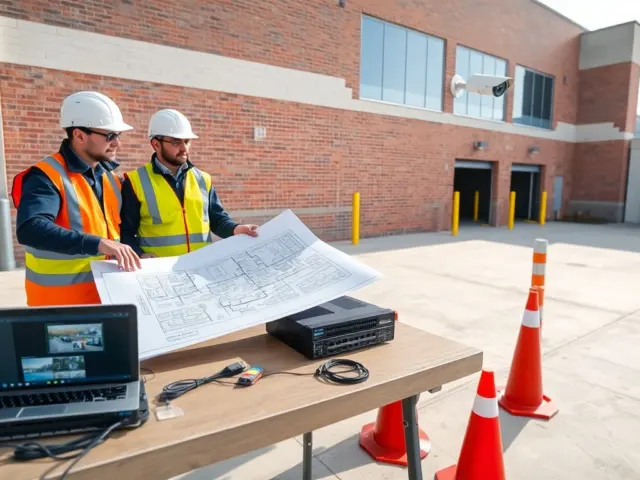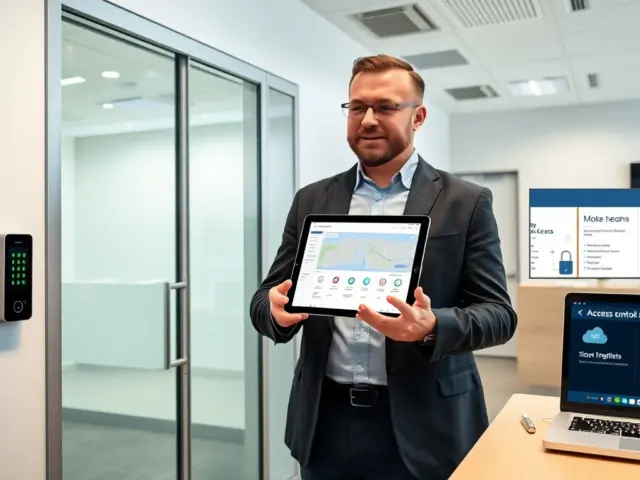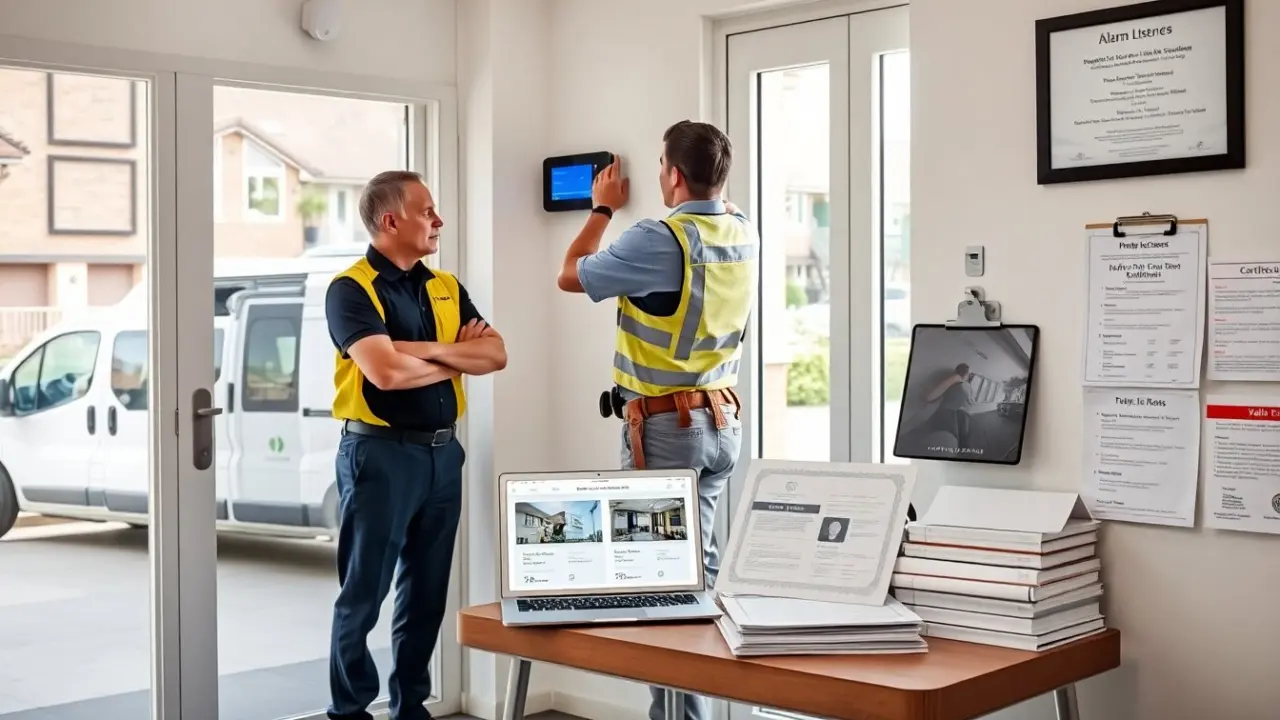
An alarm system business can start with low capital and clear demand in 2026. The founder studies local crime data, chooses services, and builds a simple plan. The owner secures a supplier, trains a small team, and lists services online. The business focuses on residential and small commercial clients first. The owner tracks costs and sales weekly to adapt quickly.
Key Takeaways
- Starting an alarm system business in 2026 requires low capital but benefits from thorough local crime and market research to target residential and small commercial clients effectively.
- Offering tiered alarm system services, including basic wired and smart wireless options, helps meet diverse customer needs while maintaining competitive pricing and clear sales channels.
- Securing proper licenses, adhering to legal and consumer protection regulations, and having clear contracts are essential steps before launching the alarm system business.
- Obtaining industry certifications and appropriate insurance policies builds trust and protects the business from liabilities, ensuring credibility with clients and partners.
- Efficient operations depend on organized installation guides, trained technicians with optimized routes, reliable hardware suppliers, and integrated monitoring plus customer support systems.
- Regular tracking of costs, sales, lead quality, and customer feedback enables quick business adjustments that keep profits healthy and services high-quality.
Market Opportunity & Target Customers
The market for an alarm system business still shows steady demand. Analysts report continued interest in home safety and remote monitoring. The owner studies local demographics and income levels. The owner uses crime maps and real estate activity to find hot neighborhoods. The business targets homeowners, small retail shops, and landlords. The owner lists clear benefits: faster response, visible deterrence, and insurance savings. The owner segments customers by price sensitivity and tech interest. The business offers basic wired alarms for budget buyers and smart wireless systems for tech buyers. The owner tracks competitor pricing and service reviews. The business uses local ads, referral offers, and a clear website to attract leads. The owner measures lead cost and closes high-fit prospects first.
To deepen market understanding, the owner profiles target customers by lifecycle stage: first-time homeowners, families with children, absentee landlords, and small business operators with inventory risk. Each profile gets tailored messaging: safety for families, liability mitigation for landlords, and theft-prevention for retailers. The alarm system business also evaluates seasonal demand (e.g., move-in/move-out periods and holiday seasons) and designs promotions that align with those cycles. Lead sources are prioritized by conversion rate—organic search, paid local listings, community events, and referral partnerships with locksmiths and realtors. The business monitors lead-to-install timelines and churn rates to refine targeting and service bundles.
Business Model, Services, Pricing, And Sales Channels
The owner defines a simple model for the alarm system business. The model combines one-time installation fees and monthly monitoring fees. The business lists services: consultation, installation, monitoring, maintenance, and upgrade packages. The owner prices installation by equipment cost and labor time. The business sets monthly monitoring tiers with clear features per tier. The owner adds optional services like smartphone integration and camera add-ons. The business offers a basic tier for budget clients and a premium tier for high-value clients. The owner sells directly via a website and by phone. The business trains a small sales team to visit property owners. The owner partners with realtors and property managers for steady contracts. The business tests promotions like free first-month monitoring and referral credits. The owner tracks lifetime value and adjusts prices to keep profit margins above target.
Operationalizing the business model includes clear package definitions (e.g., entry package: panel + sensors; advanced package: cameras + automation; commercial package: multiple zones + access control). The alarm system business outlines upsell paths—annual maintenance plans, extended warranties, and camera storage subscriptions—and models their impact on recurring revenue. Pricing uses a margin-based approach: component cost + labor + overhead + target margin, with discounts for multi-property contracts. Sales channels are layered: direct-to-consumer e-commerce for DIY-minded customers, phone and in-person consults for mid-market clients, and B2B outreach (property managers, contractors, builders) for volume deals. The owner implements a CRM to track leads, proposals, conversion rates, and average deal size, and runs periodic A/B tests on promotions and sales scripts to optimize acquisition cost and conversion quality.
Legal, Licensing, And Insurance
The owner checks local rules for the alarm system business before work begins. Many jurisdictions require a low-voltage contractor license or a security systems license. The owner registers the business and gets an employer identification number. The business follows consumer-protection rules for contracts and cancellation. The owner creates clear written contracts for installation and monitoring. The business keeps records of client consent for camera systems and audio recording. The owner follows data-protection laws for customer account information. The business sets standard procedures for false alarm reporting and municipal permit compliance. The owner consults a local attorney for contract templates and compliance checks. The business budgets for licensing fees and renewals every year.
Practical steps to reduce legal risk include standardized contract clauses for scope of work, liability limits, service level agreements (SLAs) for response times, and termination conditions for recurring services. The alarm system business develops a compliance checklist for each new service area (e.g., camera placement rules, signage requirements, electrical permit needs) and trains staff on consent and disclosure practices during site surveys. Recordkeeping procedures include secure retention of signed contracts, incident logs, and technician time sheets. For customer data, the business implements access controls, encryption for cloud backups, and a documented breach response plan to meet data-protection expectations and to reassure clients and partners.
Certifications And Insurance Requirements
The owner obtains industry certifications to build trust for the alarm system business. The business pursues certifications from recognized bodies for security installation and monitoring. The owner trains technicians and documents completion of each course. The business buys general liability insurance to cover property damage and bodily injury. The owner buys professional liability insurance to cover installation errors. The business adds cyber insurance if it stores customer data or provides cloud monitoring. The owner requires workers compensation for employees who install equipment. The business keeps insurance limits aligned with contract size and local rules. The owner renews certificates and policies annually and files proof for large clients.
Beyond basic insurance, the alarm system business formalizes credential checks for technicians (background checks, references), maintains a training log for continuing education, and displays certifications in marketing materials to improve conversion. The owner negotiates insurance deductibles and policy limits to balance cost against risk exposure. For contracts with commercial clients or property managers, the business is prepared to provide certificate-of-insurance documents quickly. The owner also documents an internal quality audit process—periodic ride-alongs, installation checklists, and customer follow-ups—to ensure certified practices are followed and to support insurance claims if necessary.
Operations: Installation, Monitoring, And Customer Support
The owner builds clear operations for the alarm system business. The business creates step-by-step install guides for each product line. The owner assigns routes to technicians by zip code to lower drive time. The business sources reliable hardware from two vetted suppliers. The owner tests each device before installation. The business integrates monitoring software with a central dashboard and mobile app. The owner trains a monitoring team to follow alarm protocols and to call clients and police per script. The business logs all events and creates a simple escalation matrix for failures. The owner builds a ticketed support system and sets response-time goals. The business offers remote troubleshooting and on-site service agreements. The owner collects regular feedback and uses it to improve training and service scripts.
Day-to-day operations include structured workflows: pre-installation site surveys, customer onboarding sessions (how to arm/disarm, app setup, and emergency contacts), and post-installation quality checks. The alarm system business defines KPIs for operations—average installation time, first-time-fix rate, mean time to respond for support tickets, monthly recurring revenue churn, and customer satisfaction scores—and reviews them weekly. Inventory management covers spare sensors, batteries, mounts, and replacement panels; reorder points are set to avoid stockouts. For monitoring, the owner decides between in-house monitoring or partnering with a certified monitoring center; either approach includes documented escalation protocols, redundant connectivity, and routine failover tests.
Customer support combines automated and human touchpoints: an online knowledge base and troubleshooting guides for DIY fixes, scheduled maintenance reminders, and a staffed hotline for incidents. For installations, technicians carry standardized kits and mobile checklists to ensure consistent installs. Training includes hands-on practice, role-playing emergency call scenarios, and refreshers on new product firmware updates. The business also plans for growth: creating a hiring playbook for field technicians, documenting SOPs for scaling the monitoring team, and setting up basic reporting dashboards for revenue, service load, and technician productivity. Regular customer follow-ups—30 days after install and periodically thereafter—help drive referrals and detect service issues early, preserving the reputation of the alarm system business.