A warehouse security system protects inventory, staff, and operations. Warehouse managers must evaluate threats, set priorities, and plan investments. This guide outlines risk assessment steps, core hardware, system integration, and policy choices. It aims to give clear, practical actions for improving safety and reducing loss. The guide uses plain language and examples that managers can act on quickly.
Key Takeaways
- A warehouse security system protects inventory, staff, and operations by assessing risks and prioritizing security investments based on threat evaluation.
- Core components like surveillance cameras, access control, and sensors must be integrated and scalable to fit warehouse layout and operational needs.
- Surveillance cameras should cover all critical areas with advanced features such as video analytics to reduce false alarms and ensure effective monitoring.
- Implementing a phased rollout and thorough testing with training and drills ensures smooth system integration and effective incident response.
- Clear policies on data retention, compliance, and budgeting are essential to maintain long-term security and evaluate the warehouse security system’s return on investment.
Assessing Risks And Security Needs For Your Warehouse
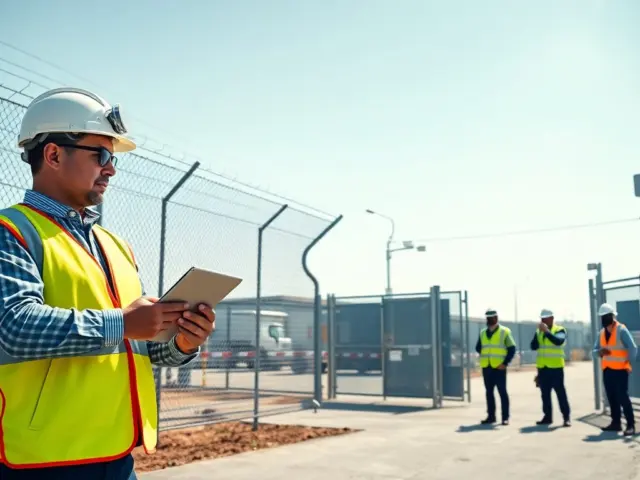
A team should assess threats and value to set security priorities. The team should list high-value items, peak activity hours, and common loss points. The team should map entry points, loading docks, storage aisles, and employee areas. The team should review past incidents, insurance claims, and supplier reports. The team should rate risk by likelihood and impact. The team should identify internal risks such as theft and external risks such as break-ins. The team should set measurable goals, like cut shrinkage by 30% or stop unauthorized after-hours access. The team should use the assessment to choose coverage areas and budget levels for a warehouse security system.
Core Security Components Every Warehouse Should Have
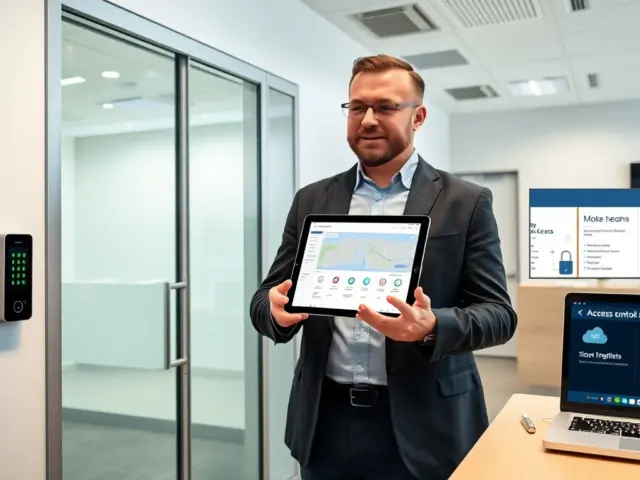
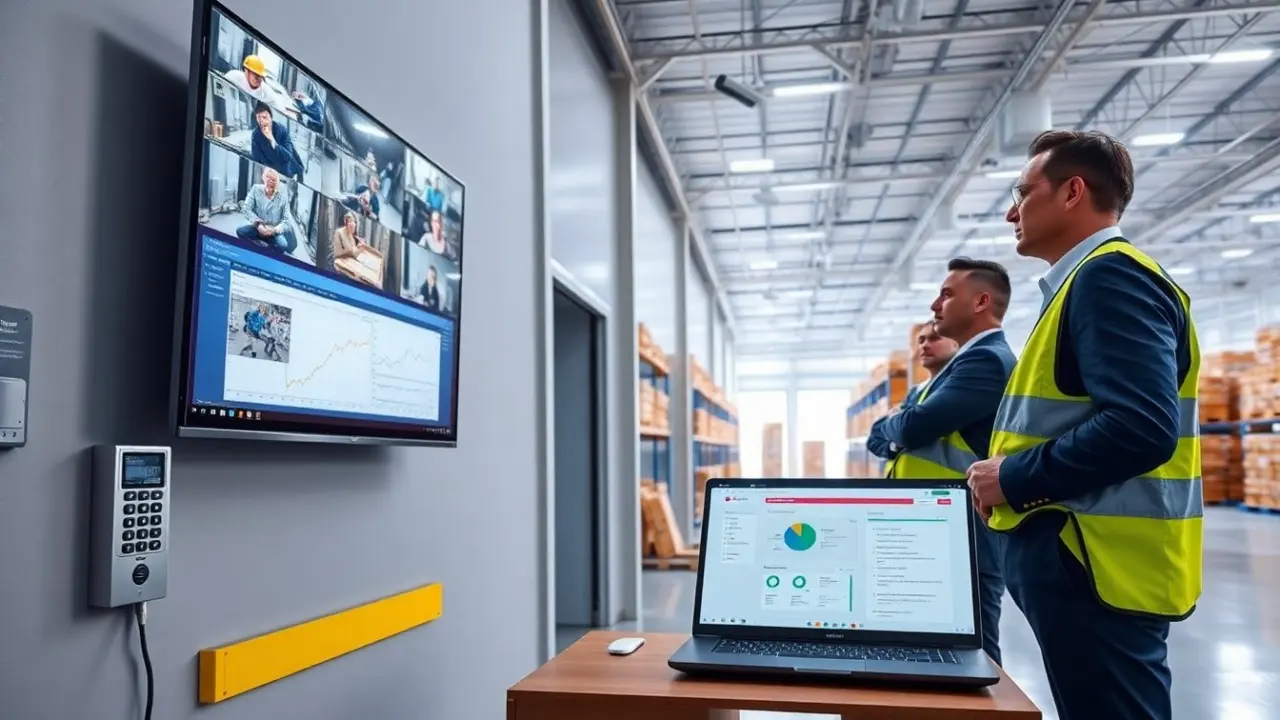
A modern warehouse security system combines cameras, access control, sensors, and a management layer. Each component must match the assessed risks and facility layout. The system should allow central monitoring and data logging. The system should scale as inventory and staff grow. The system should integrate with operations software to link events to shipments and employees. The system should support remote review and alerting. The system should include maintenance plans and clear ownership for updates. The final design should balance coverage, cost, and ease of daily use.
Surveillance Cameras, Recording, And Video Analytics
Cameras must cover docks, aisles, and exits. Recorders must store video for a defined retention period. Video analytics should flag motion, loitering, and missing items. Cameras should use day-night sensors and wide dynamic range for mixed light. Recorders should support encrypted backups and easy export. Analytics should reduce false alarms and prioritize human review. The team should place cameras to avoid blind spots and to respect privacy zones. The warehouse security system should allow event tagging so staff can link footage to shipment IDs and incident reports.
Planning Implementation And Integrating Systems
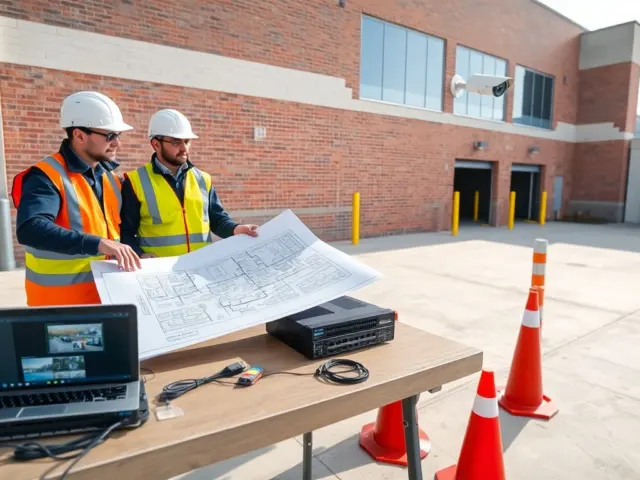
A project manager should create a phased rollout for a warehouse security system. The manager should start with high-risk zones and expand coverage in waves. The manager should test each integration, including cameras, access control, and alarms. The manager should set data retention, encryption, and backup policies. The manager should train operators on normal alerts and escalation paths. The manager should document standard operating procedures and contact lists. The manager should run a live drill to validate detection, notification, and response times. The manager should collect feedback and adjust camera angles, sensor sensitivity, and alert thresholds.
Policies, Compliance, And Budgeting For Long‑Term Security
Leadership should adopt clear policies that define roles, data handling, and response steps for a warehouse security system. Policies should set retention rules for video and access logs that meet local law and insurance terms. Policies should require periodic audits and vendor reviews. Budgets should cover capital costs, recurring cloud storage, maintenance, and monitoring fees. Budgets should include replacement cycles for cameras and sensors, typically five to seven years. Leadership should compare in-house monitoring to third-party services by cost, response time, and legal exposure. Leadership should track metrics such as incidents per month, average response time, and cost per prevented loss to evaluate ROI.