A biometric access control system gives secure entry using a person’s physical or behavioral trait. The system reads a trait, converts it to a digital template, and compares it to stored templates. Organizations adopt this system to reduce lost keys, shared codes, and tailgating. This guide explains how the system works, common modalities, and practical deployment and privacy steps.
Key Takeaways
- A biometric access control system enhances security by using unique physical or behavioral traits for accurate identity verification.
- Common biometric modalities include fingerprint, facial recognition, iris scanning, voice, and gait recognition, each suited for different environments and security needs.
- Effective deployment requires careful planning, including risk assessment, pilot testing, and clear privacy policies to protect user data.
- Systems integrate with existing security infrastructure and use encryption and multifactor authentication to secure template storage and access.
- Multimodal biometric systems combine traits like fingerprint plus face to increase security for high-risk areas.
- User education, consent, and fallback authentication methods are essential for successful and compliant biometric system implementation.
How Biometric Access Control Systems Work
A biometric access control system captures a biological signal and converts it to data. A sensor reads a fingerprint, face, iris, or voice sample. The device extracts features and creates a template. The system stores templates in a secure database or on a user token. When someone requests entry, the system acquires a new sample, extracts features, and compares the new template to stored templates. If the match score meets a threshold, the system grants access. If not, the system denies access and logs the attempt.
Designers set false accept and false reject rates to balance convenience and security. Administrators tune thresholds based on risk and environment. The system can operate in online mode with central verification or in offline mode at the door. Online mode lets security teams audit logs and update templates. Offline mode reduces network dependency and lets remote sites run autonomously.
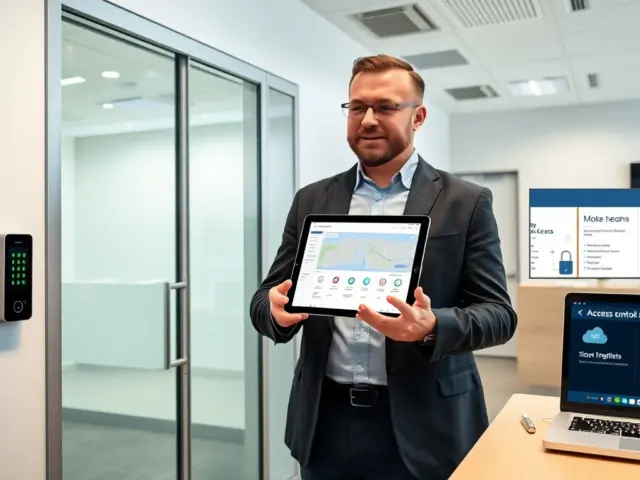
Systems pair biometric readers with access control panels and door hardware. The reader forwards a decision to the controller or returns the raw match result. Integrations let the system work with video cameras, time clocks, and visitor management. Vendors often offer management software for enrollment, template lifecycle, and reporting. IT teams secure template storage with encryption and role-based access to reduce risk.
Organizations evaluate sensors by accuracy, speed, and environmental tolerance. High-traffic sites need fast readers with low false rejects. Harsh environments require readers that resist dust, moisture, and temperature swings. Where hygiene matters, contactless readers reduce touch points. Overall, a biometric access control system replaces or complements cards and PINs to improve identity assurance.
Common Biometric Modalities And Real-World Use Cases
Fingerprints remain the most common input for a biometric access control system. Fingerprint readers cost less and enroll quickly. Offices, schools, and small warehouses use fingerprint readers to replace shared keys and PINs. Fingerprint systems work well for standard indoor setups but can struggle with worn prints or gloves.
Facial recognition provides contactless entry for lobbies, labs, and retail. A facial biometric access control system identifies people from a distance and pairs with camera analytics to detect tailgating. Some sites use face systems to speed employee flow at high-volume doors. Privacy rules may require notices and opt-out options for face systems.
Iris and retinal scanners offer high accuracy for secure facilities. An iris-based biometric access control system can serve cleanrooms, data centers, and defense sites. These modalities work well where fingerprint or face options fail due to PPE or visual occlusion.
Voice and gait recognition add convenience on mobile or remote verification. A voice biometric access control system can authenticate over phone lines or in voice-enabled kiosks. Gait or behavioral systems fit continuous authentication use cases where the system monitors movement rather than a single entry event.
Multimodal systems combine two or more traits to raise assurance. A multimodal biometric access control system can pair fingerprint plus face for higher security at server rooms. Organizations use multimodal setups when risk is high, or regulatory rules demand stronger proof of identity.
Use cases drive modality choice. Retail and hospitality value speed and low friction. Healthcare values hygiene and auditability. Manufacturing values environmental robustness. Each deployment maps the biometric access control system to the site’s workflow, risk profile, and compliance needs.
Planning, Privacy, And Deployment Best Practices
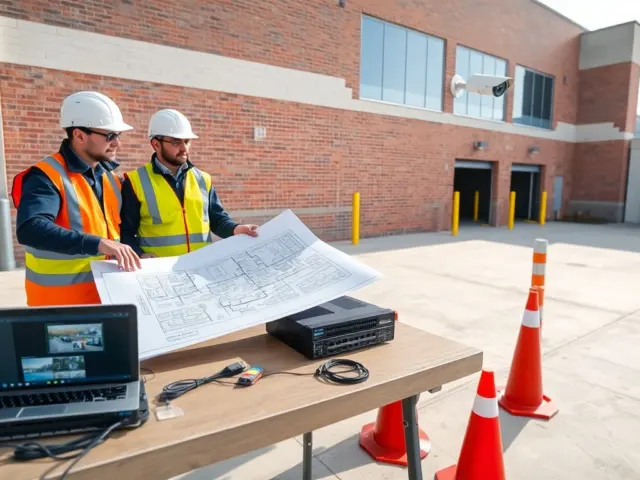
Teams plan a biometric access control system by defining goals, risks, and user flows. They list doors, users, and sensitivity levels. They run pilot tests on representative doors and user groups. Pilots reveal sensor placement issues, enrollment times, and integration gaps.
Organizations adopt clear policies for template storage and retention. They store templates in encrypted form and limit access to system administrators. Where possible, they store templates on user tokens to reduce central attack surface. They keep audit logs and retention schedules to meet regulatory requirements.
Privacy notices and user consent matter. Employers explain what trait data they collect and why. They give users a way to revoke biometric enrollment and a fallback method like a card or PIN. They document legal bases and keep records of consent when laws require it.
Security controls must cover network, physical, and software layers. Teams apply encryption for data in transit and at rest. They enforce strong access controls for management consoles and use multifactor authentication for admin accounts. Teams harden endpoints and update firmware regularly to close vulnerabilities.
Operational plans include enrollment workflows, user education, and exception handling. Staff schedule enrollment sessions and verify quality during capture. They train users on hygiene and what to do if a reader fails. They set clear escalation paths for lockouts and lost tokens.
Vendors and integrators help tailor a biometric access control system to existing infrastructure. They provide compatibility matrices, integration guides, and maintenance plans. Buyers evaluate vendor support levels, update policies, and field service options. A thoughtful deployment reduces downtime and improves long-term reliability.