Construction site security guards provide physical presence and deterrence on active sites. Project managers hire guards to prevent theft, vandalism, and unauthorized access. Owners schedule patrols and set access rules to protect materials and equipment. Security teams record incidents and report risks to supervisors. This article lists duties, service types, hiring steps, and how guards work with technology to protect projects in 2026.
Key Takeaways
- Construction site security guards play a critical role in preventing theft, vandalism, and unauthorized access by maintaining a visible, active presence on-site.
- Hiring reliable construction site security guards involves verifying licenses, conducting background checks, and providing thorough training on site safety and emergency procedures.
- Effective construction site security combines manned guards, patrol services, and advanced technology like CCTV and access control systems for comprehensive protection.
- Guards perform vital duties including inspecting perimeters, verifying credentials, securing high-value items, and reporting incidents promptly to keep the site safe.
- Integrating security guards with technology enhances incident response through real-time alerts, precise documentation, and proactive adjustments of patrol routes and camera placements.
Why Construction Sites Need Dedicated Security Guards Today
Construction site security guards reduce direct losses. They watch inventory, tools, and fuel. They stop theft before it escalates. They also deter trespassers and vandalism by showing an active presence. Insurance carriers often require or discount premiums when sites use guards. Local police can respond faster when guards document incidents and preserve evidence. Guards also enforce site rules. They check credentials, control access, and escort visitors to safe zones. Finally, guards protect worker safety by reporting hazards and preventing unsafe entry after hours.
Core Duties And Responsibilities Of Construction Site Security Guards
Guards inspect fences, gates, and perimeter lighting each shift. They perform foot and vehicle patrols on scheduled and random routes. They verify contractor IDs and sign in vendors at entry points. They monitor storage yards and lock or tag high-value items. They log incidents with time, location, and witness names. They preserve video and physical evidence for investigators. They call emergency services when they see fires, injuries, or criminal acts. They deliver daily and exception reports to site managers. They maintain a clear chain of custody for seized items. They follow site safety rules and wear required personal protective equipment. They remain visible to workers and visitors to reinforce order.
Types Of Security Services For Construction Sites (Manned, Patrol, And Tech-Enabled)
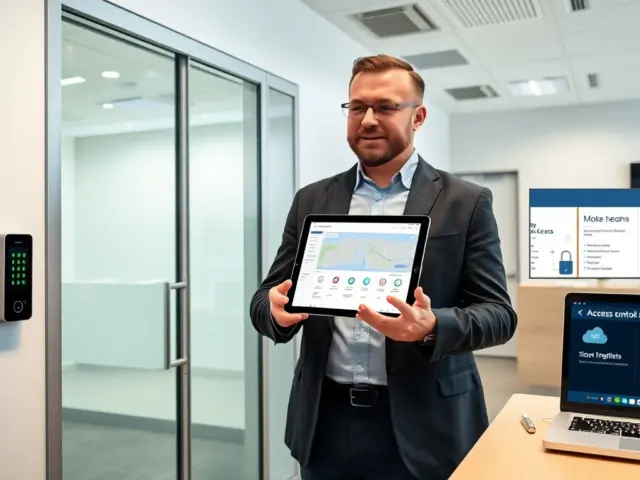
Manned guarding provides a constant human presence. A posted guard deters crime and handles incidents on the spot. Patrol services use roving officers who cover multiple sites. Patrols reduce cost while keeping routine checks. Tech-enabled services add cameras, sensors, and remote monitoring. CCTV records events and supports prosecutions. Motion sensors and fence alarms alert guards to breaches. Access control systems restrict entry by card or biometric scan. Integrated platforms combine alarms, video, and mobile reporting for faster responses. Many sites use a mix: posted guards at high-risk areas, patrols for lower-risk zones, and cameras to extend coverage. This mix balances cost and effectiveness.
How To Hire, Vet, And Train Reliable Construction Site Guards
Owners define guard duties and shift patterns before hiring. They list required licenses, certifications, and safety training in job ads. They screen applicants for prior security work and site experience. They check references and run criminal background checks that meet local laws. They verify driving records if patrols require vehicles. They interview candidates to assess judgment and communication skills. They select candidates who follow site safety rules and use personal protective equipment. They start new hires with orientation that covers site plans, emergency procedures, and reporting protocols. They pair new guards with experienced officers during a probation period.
Employers set regular performance reviews and incident audits. They use ride-alongs and surprise inspections to confirm patrol quality. They require continuing education on first aid, fire response, and conflict de-escalation. They coach guards on concise report writing and evidence handling. They document training and track certifications in a central system. They maintain staffing plans to avoid fatigue and gaps in coverage.
Best Practices For Integrating Guards With Technology (CCTV, Access Control, And Reporting)
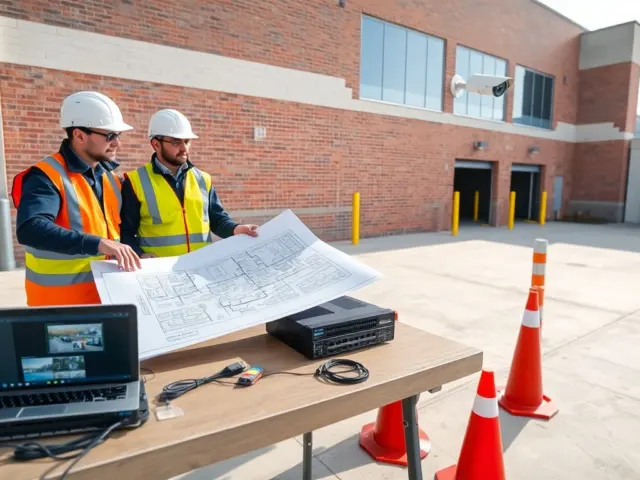
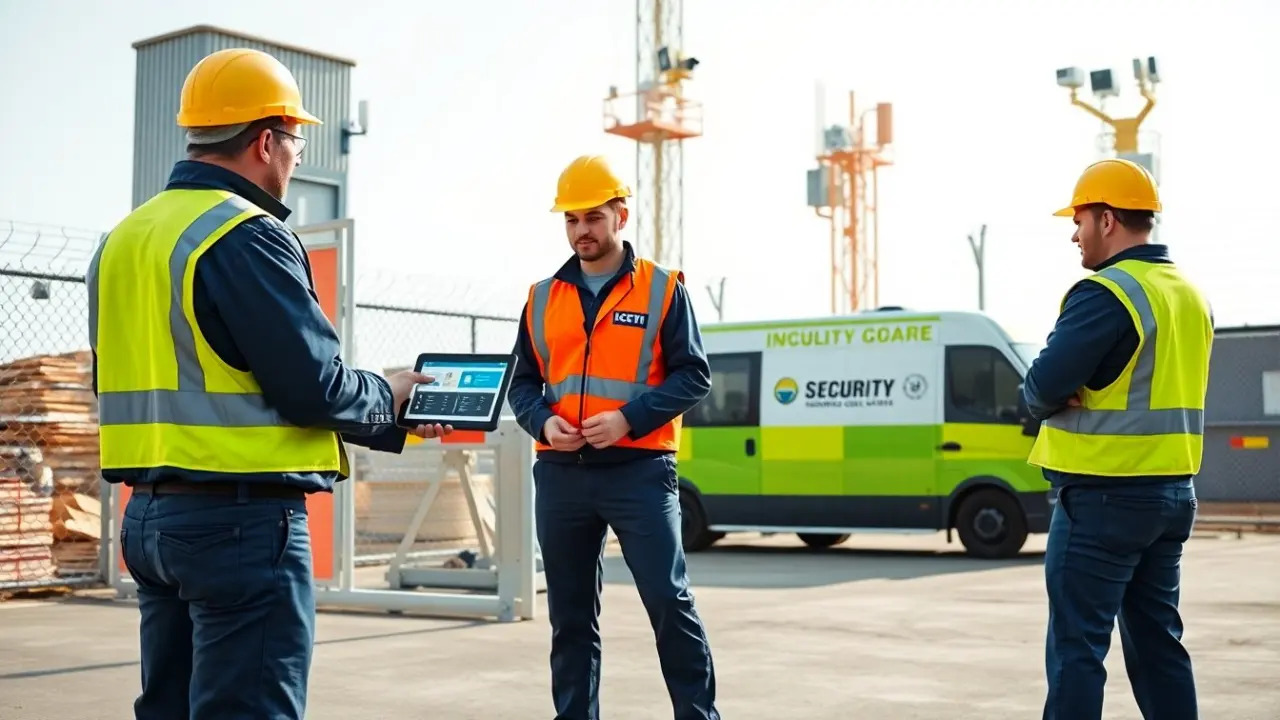
Project leaders map camera placement to cover entry points, storage yards, and equipment. They place cameras where guards cannot easily reach them. They link alarms to a central monitoring hub that notifies guards and supervisors. Guards receive mobile alerts with time-stamped images and location data. Guards patrol to verify alarms and secure scenes. Access control logs feed into daily reports so managers can review who entered site areas. Guards tag videos and attach notes to incident clips to speed investigations. Teams use cloud storage to preserve footage offsite and to meet evidence chains. Supervisors run weekly dashboards that show alarm counts, patrol completion, and incident response times. They adjust guard routes and camera angles based on that data. Training covers how to operate cameras, export clips, and keep digital evidence intact. This workflow helps guards act quickly and document events clearly.