A physical security assessment gives a clear view of risks to a building, site, or operation. The assessment identifies gaps in access control, barriers, detection, and response. It ranks risks by impact and likelihood. It delivers concrete actions to reduce risk. This guide explains what a physical security assessment covers, how to scope one, common findings, tools to use, and how to prioritize fixes in 2026.
Key Takeaways
- A physical security assessment identifies risks and gaps in access control, barriers, detection, and response to protect people and assets effectively.
- Defining a clear scope and critical assets ensures the assessment aligns with business priorities and targets the most valuable and vulnerable areas.
- A thorough methodology includes document review, site surveys, tests, and simulations to generate prioritized, evidence-based recommendations.
- Common vulnerabilities found include weak locks, camera blind spots, inadequate lighting, and poor visitor controls, which greatly increase security risks.
- Using tools like checklists, measurable criteria, and risk matrices makes assessments objective, repeatable, and easier to track over time.
- Prioritize remediation by focusing on high-impact, low-cost fixes first, enforce policies, train staff, and schedule ongoing assessments to maintain security improvements.
What A Physical Security Assessment Is And Why It Matters
A physical security assessment evaluates controls that protect people, property, and assets. It measures how well access control, locks, barriers, lighting, cameras, and procedures work. An assessment reveals gaps that an attacker or accident could exploit. It matters because a single failure can cause theft, injury, operational downtime, or reputational harm. Organizations use the assessment to justify investment, meet insurance requirements, and support compliance. A repeated assessment shows trends and verifies that fixes work. In 2026, assessors also check integration with cyber systems and remote monitoring.
Defining Scope And Critical Assets To Protect
A clear scope keeps the assessment focused and actionable. The team lists buildings, zones, equipment, and people that matter most. They mark high-value assets such as servers, cash handling, intellectual property, and critical infrastructure. They note hours of operation, shift changes, and visitor patterns. They set geographic limits and include adjacent properties that could affect security. They define success criteria and acceptable risk levels. They identify stakeholders and who will approve remediation. This step limits surprises and aligns the physical security assessment with business priorities.
Assessment Methodology: From Recon To Recommendations
A consistent methodology produces repeatable results. The assessor starts with document review and interviews to learn policies, maps, and incident history. They perform a visible and covert reconnaissance to observe normal behavior. They test access controls, locks, and alarms under controlled conditions. They map threat vectors, attack paths, and points of exposure. They quantify likelihood and impact using simple scoring. They produce a prioritized list of findings and clear recommendations with cost and effort estimates. The final report schedules follow-up validation and updates.
Site Survey, Testing, And Simulation Techniques
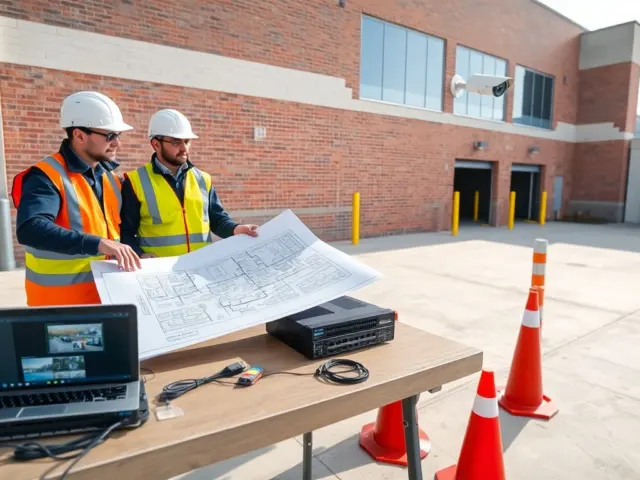
A site survey records doors, windows, fencing, sightlines, lighting, and CCTV coverage. Assessors test locks, readers, and intrusion sensors for failures. They run badge-clone or tailgate tests with permission to gauge human factors. They simulate forced entry, glass break, and power-loss scenarios in a controlled way. They check emergency exits and evacuation routes for blockage. They time response intervals for guards and local law enforcement. They log results with photos and floorplan annotations to make the physical security assessment evidence-based.
Common Physical Vulnerabilities And Red Flags
Assessors often find weak locks, unlocked doors, and propped-open entrances. They find blind spots in camera coverage and low light at key access points. They note shared or default credentials, missing maintenance records, and inconsistent procedures. They spot tailgating, lax visitor control, and unclear signage. They identify single points of failure like a single security guard or one power feed. They flag delayed alarm response and poor integration with cyber controls. Each red flag increases the chance of loss and should appear in the physical security assessment report.
Tools, Checklists, And Measurable Criteria
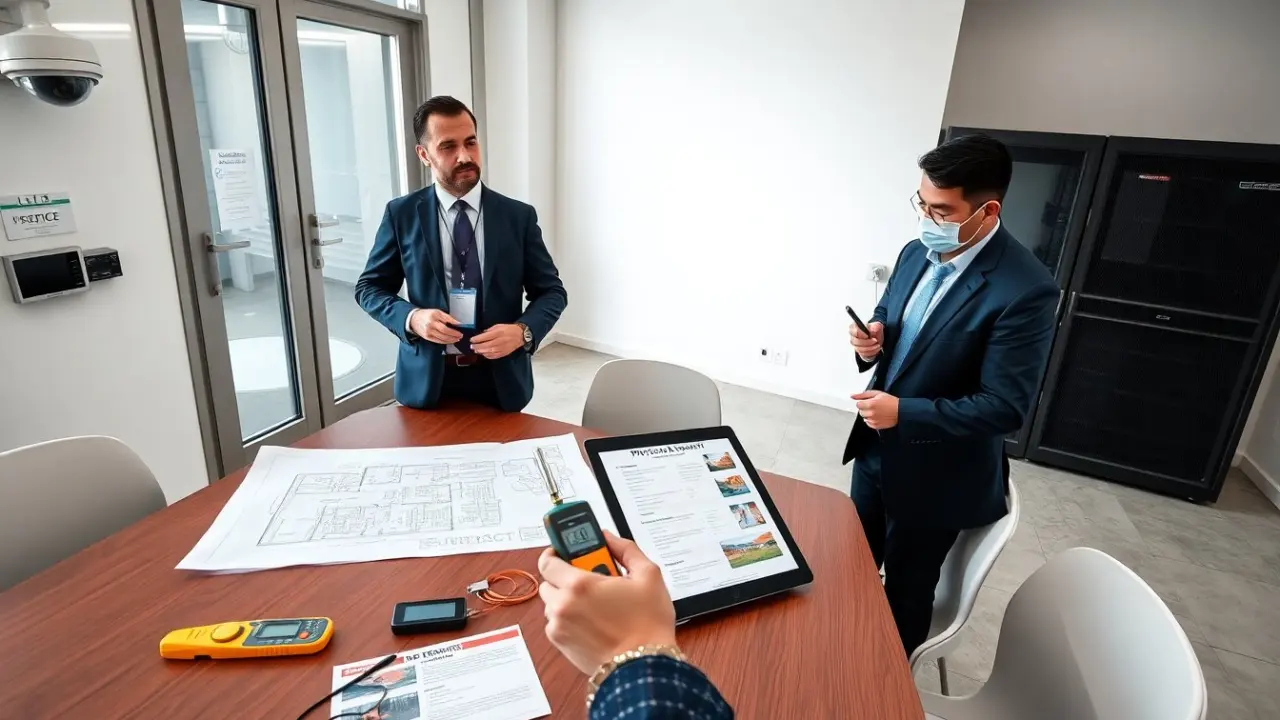
A checklist ensures the assessor covers doors, windows, cameras, lighting, barriers, locks, guards, and policies. Use measurable criteria such as camera coverage percentage, lux levels at entry points, average response time, and padlock grade. Use tools like thermal imaging for heat signatures, light meters, cable testers, and access-control logs. Use a risk matrix to score severity and probability. Store findings in a standardized template or software to compare sites and track remediation. These items make the physical security assessment objective and repeatable.
Prioritizing Remediation, Mitigation, And Ongoing Improvement
Prioritize fixes that reduce the highest risk for the least cost. Address failures that allow easy entry or immediate harm first. Fix lighting, door hardware, and camera blind spots before cosmetic upgrades. Consider quick wins like enforcing visitor policies and training staff. For larger projects, bundle upgrades to improve efficiency and reduce downtime. Schedule follow-up assessments and audits to confirm changes. Track metrics such as incident count, unauthorized access attempts, and mean time to repair. Use those metrics to adjust investment and keep the physical security assessment current.